
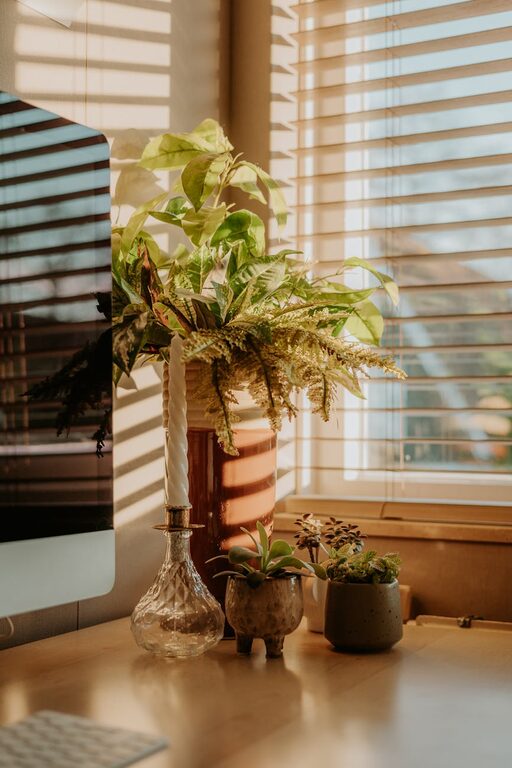
Creating a home workspace that feels cozy and inviting can make a significant difference in your daily productivity and well-being. Whether you work remotely, study, or pursue creative projects at home, the environment around you impacts your focus and motivation. This guide offers practical tips to help you design a home workspace that combines comfort, style, and functionality.
Why a Cozy Workspace Matters
A workspace that feels welcoming and comfortable encourages you to spend time in it without stress or fatigue. When you enjoy your surroundings, your creativity flows easier and your work hours become more efficient. Cozy design elements can reduce distractions and make your workspace a place you look forward to using.
Choose the Right Location
Find Natural Light
Whenever possible, position your desk near a window to take advantage of natural light. Daylight not only improves mood but also reduces eye strain—a valuable benefit if you spend many hours at your computer.
Consider Privacy and Noise Levels
Select a spot in your home where interruptions are minimal. If background noise is unavoidable, consider noise-cancelling headphones or white noise machines to maintain focus.
Invest in Comfortable Furniture
Ergonomic Chair
A good chair supports your back and encourages proper posture. Look for adjustable options so you can customize the height and tilt to your comfort.
Functional Desk
Choose a desk with enough surface area to accommodate your computer, notebooks, and any other tools you regularly use. A tidy desk contributes to a calm atmosphere.
Personalize Your Space
Add Soft Textiles
Incorporate cushions, a cozy throw blanket, or a small rug to bring warmth and softness to your workspace. These touches also provide comfort during long working hours.
Decorate Thoughtfully
Include elements you enjoy, such as plants, artwork, or meaningful objects, but avoid clutter. Plants improve air quality and can reduce stress, while personal items make the space uniquely yours.
Optimize Lighting
Layered Lighting
Use a combination of overhead lights, desk lamps, and ambient lighting to create a balanced and adjustable environment. Warm-colored bulbs can create a more relaxing atmosphere compared to harsh white light.
Task Lighting
A focused desk lamp helps illuminate your work area effectively, reducing eye strain and improving concentration.
Keep Organized
Declutter Regularly
Keeping your workspace clean and organized minimizes distractions and helps you find what you need quickly.
Use Storage Solutions
Incorporate shelves, drawers, or organizers to store supplies and paperwork neatly. Labeling containers can also save time and reduce mess.
Add Inspiring Elements
Vision Board or Notes
Create a small board to pin motivational quotes, project goals, or reminders. This keeps inspiration in view and integrates positive energy into your workspace.
Music and Scents
If it helps your focus, play soft background music or use subtle scents like lavender or citrus to create a calming environment.
Maintain Good Air Quality
Proper ventilation and fresh air are key to staying alert and comfortable. If you don’t have easy access to open windows, an air purifier can improve your indoor air quality.
Establish Boundaries
Create routines to signal the start and end of your workday. This helps separate your professional time from personal life, even when working from home.
—
By thoughtfully designing your home workspace, you can create an area that feels inviting and supports your work habits. Small changes in layout, lighting, and décor can make a big difference, turning your work area into a place where comfort and productivity coexist. Give yourself the gift of a workspace you love—it will pay off in better focus and a happier workday.