
Creating a relaxing home workspace is essential for maintaining productivity and comfort, especially as many people continue to work remotely. A well-designed and peaceful environment can help reduce stress, improve concentration, and make your workday more enjoyable. In this guide, we’ll explore practical tips and ideas to help you set up a workspace that supports both your mental well-being and professional goals.
Why a Relaxing Workspace Matters
The environment where you work plays a significant role in your focus, efficiency, and mood. A cluttered, noisy, or uncomfortable space can lead to distractions, fatigue, and burnout. On the other hand, a serene and organized workspace encourages calmness and allows you to dedicate your energy to tasks that matter.
Choose the Right Location
Selecting the ideal spot in your home is the first step in creating a relaxing workspace.
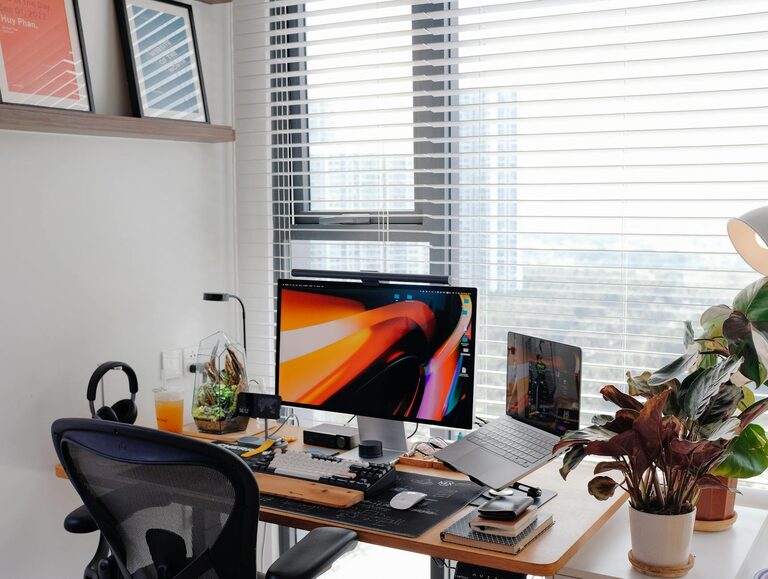
– Natural Light: Choose a place with plenty of natural light. Exposure to daylight helps regulate your body clock and boosts alertness.
– Quiet Area: Find a quiet corner or room with minimal distractions to maintain focus.
– Separate Space: If possible, pick a space distinct from high-traffic areas or where leisure activities happen to mentally separate work and downtime.
Invest in Ergonomic Furniture
Comfort is key to staying productive for long periods.
– Ergonomic Chair: A chair with good back support helps prevent discomfort and posture issues.
– Adjustable Desk: Consider a desk at the proper height or one that can convert between sitting and standing positions.
– Monitor Setup: Position your computer screen at eye level to reduce neck strain.
Keep it Organized and Clutter-Free
A tidy workspace is a more relaxing workspace.
– Storage Solutions: Use shelves, drawers, and organizers to keep supplies neat.
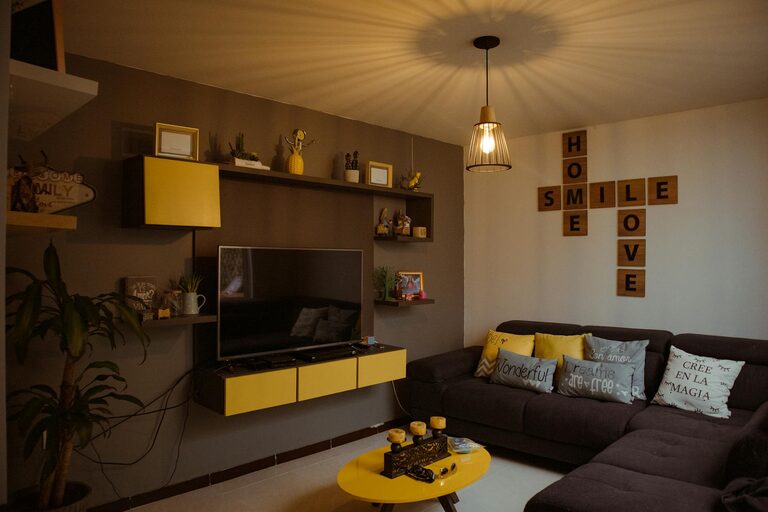
– Minimal Decor: Limit decorations to a few inspiring or calming items to avoid visual clutter.
– Regular Tidying: Set a routine to clear your desk at the end of each day.
Use Calming Colors and Decor
Colors and surroundings influence your mood and mindset.
– Soft, Neutral Tones: Shades like light blue, pale green, or soft gray promote relaxation and focus.
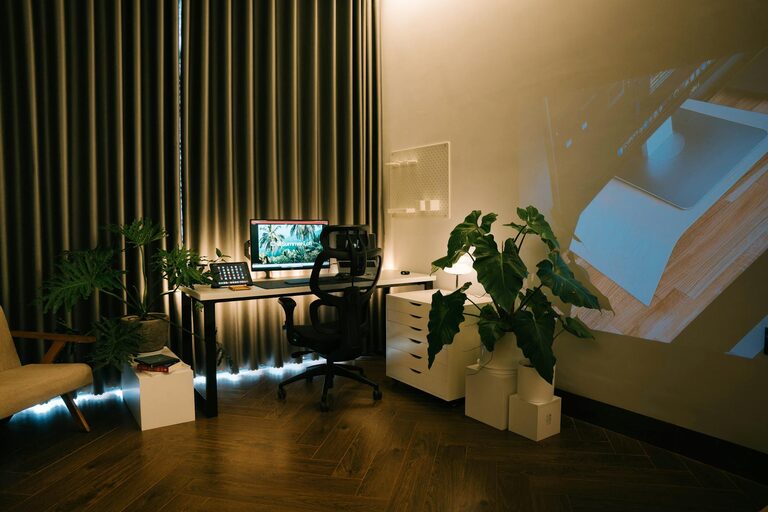
– Nature Elements: Incorporate plants or natural materials to bring a sense of calm and vitality.
– Personal Touches: Photos or art that inspire you can create a welcoming atmosphere.
Control Lighting and Noise
Proper lighting and sound balance reduce strain and distractions.
– Layered Lighting: Combine overhead, task, and ambient lighting so you can adjust based on time of day and tasks.
– Reduce Glare: Use blinds or curtains to soften direct sunlight on screens.
– Noise Management: Consider noise-canceling headphones or white noise machines if you cannot control background noise.
Add Functional Accessories
Select accessories that support comfort and efficiency.
– Desk Organizer: Keeps essentials within reach and reduces searching time.
– Cable Management: Use clips or sleeves to keep cords tidy and avoid tangles.
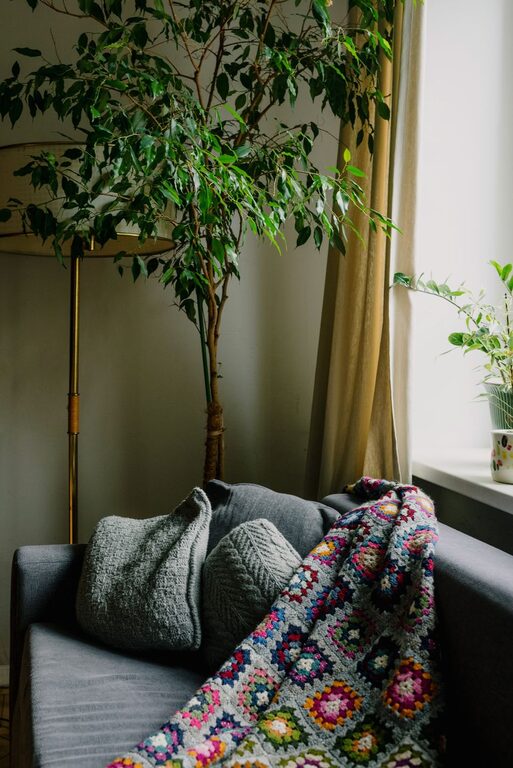
– Comfort Items: A wrist rest, footrest, or a cozy blanket can improve comfort.
Take Breaks and Move
Even with the best setup, it is important to take regular breaks.
– Stretch and Walk: Stand up and stretch or take short walks to reduce stiffness.
– Breathing Exercises: Practice deep breathing or mindfulness to refresh your mind.
– Hydrate and Snack: Keep water and healthy snacks nearby to maintain energy.
Personalize Your Workspace Mindfully
While personalization makes your space inviting, balance it so it doesn’t become distracting.
– Inspiring Quotes: A few positive affirmations can boost motivation.
– Desired Scents: A subtle diffuser or candle with calming scents like lavender can enhance relaxation.
– Limit Electronics: Use only work-related devices in your workspace to avoid multitasking distractions.
Maintain a Daily Routine
Having a consistent schedule helps condition your mind for work.
– Set Work Hours: Define clear start and finish times.
– Morning Ritual: Begin with a calming routine like gentle stretches or meditation before starting work.
– Plan Your Day: Use a planner or digital tools to organize tasks and breaks.
—
Designing a relaxing home workspace is about combining comfort, organization, and personal touches to create an environment that supports your productivity and well-being. Small changes can make a big difference in how you feel and perform during your workday. Use these tips to craft a space where you enjoy working and feel at ease.