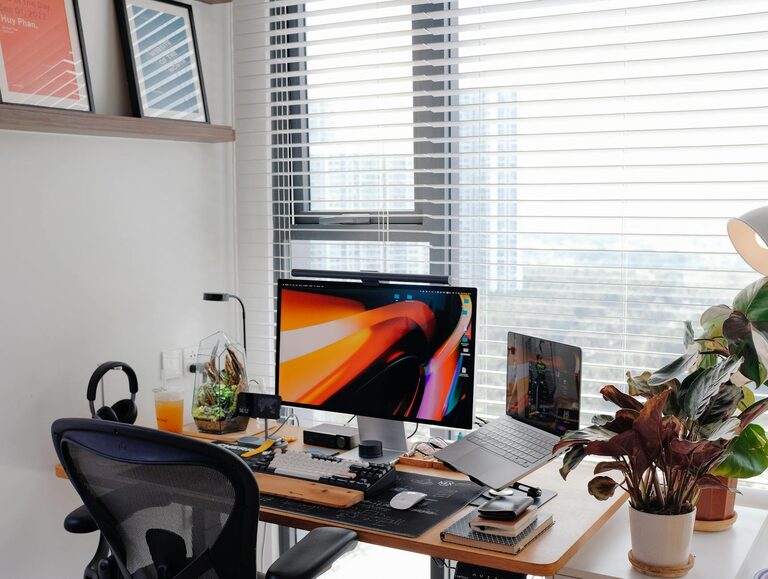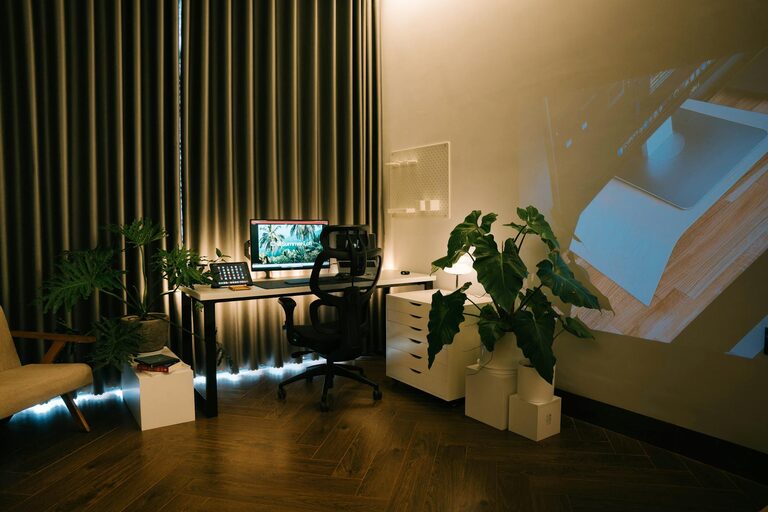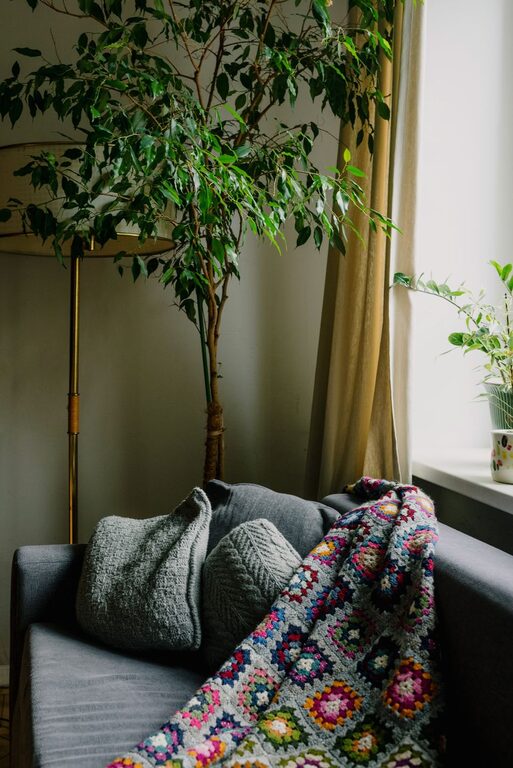
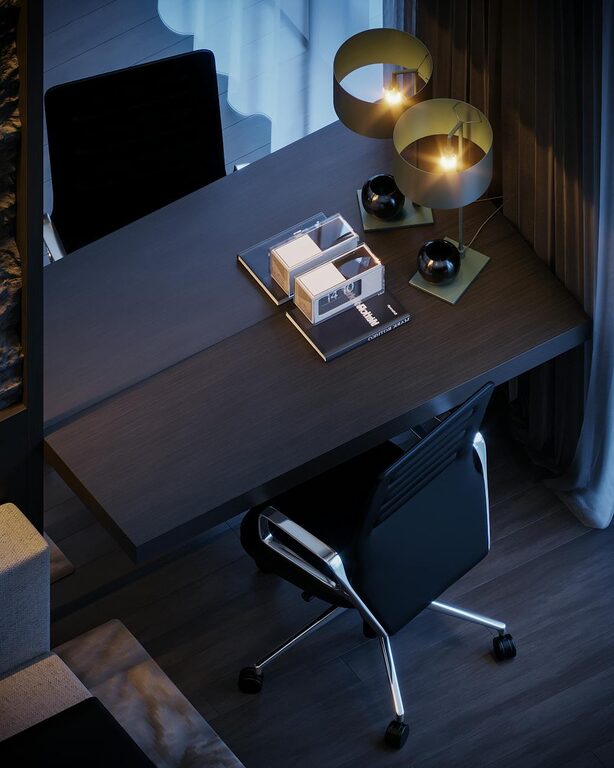
Creating a cozy and functional home office space is essential for anyone working remotely or managing tasks at home. A well-designed workspace not only boosts productivity but also makes your workday more enjoyable. In this post, we’ll explore practical tips to help you set up a home office that’s both inviting and efficient.
Choose the Right Location
Finding the perfect spot for your home office is the first step. Ideally, pick a quiet area with minimal distractions. If possible, choose a room or corner with natural light, which can help improve mood and focus throughout the day.
Consider These Factors:
– Privacy: A space away from the main living areas reduces interruptions.
– Lighting: Near a window is ideal for natural light; add layered lighting for evening hours.
– Space: Ensure there’s enough room for your desk, chair, and any additional equipment or storage.
Invest in Comfortable Furniture
Comfort is key to sustaining long hours of work. You’ll want a chair and desk that promote good posture and reduce fatigue.
Furniture Tips:
– Ergonomic Chair: Find a chair with adjustable height and lumbar support.
– Sturdy Desk: Choose a desk at the right height for writing and typing.
– Flexible Setup: Consider a sit-stand desk if you want to change positions during the day.
Organize with Purpose
A clutter-free workspace helps keep your mind clear. Effective organization doesn’t just improve appearance; it also makes work more efficient.
Organization Ideas:
– Use drawers and shelves to keep supplies out of sight but easily accessible.
– Incorporate desk organizers for pens, papers, and gadgets.
– Label storage bins or files for quick retrieval.
– Utilize cable management tools to reduce tangled cords.
Personalize Your Space
Adding personal touches to your office can make it a more inviting place to spend time.
Ways to Personalize:
– Display art or inspirational quotes.
– Add plants to bring freshness and improve air quality.
– Use cushions or rugs with colors and patterns you enjoy.
– Choose decor that reflects your style without overwhelming the workspace.
Prioritize Good Lighting
Adequate lighting is crucial to reduce eye strain and create a pleasant atmosphere.
Lighting Tips:
– Combine natural light with task lighting, such as adjustable desk lamps.
– Use soft, warm bulbs to reduce harsh glare.
– Position your screens to avoid reflections from windows or lamps.
Manage Noise and Distractions
Maintaining focus can be challenging, so consider ways to reduce noise and distractions.
Noise Control Suggestions:
– Use noise-canceling headphones or white noise machines.
– Add soft furnishings, like curtains and rugs, to absorb sound.
– Communicate boundaries to household members during work hours.
Include Technology Wisely
Technology supports your work but can also clutter your space if not managed carefully.
Technology Tips:
– Keep frequently used devices within reach.
– Use wireless accessories to reduce cable clutter.
– Keep chargers and cables organized with clips or boxes.
Keep Your Workspace Adaptable
Your needs may change, so design your home office to be flexible.
Adaptability Ideas:
– Use modular furniture that can be reconfigured.
– Ensure there’s room for additional equipment or guests when needed.
– Store seasonal or less-used items elsewhere to maximize space.
Maintain Your Workspace Regularly
A clean and maintained office promotes productivity and well-being.
Maintenance Tips:
– Dedicate a few minutes daily to tidying up.
– Clean surfaces and electronics regularly.
– Review and update your organization system as needed.
Final Thoughts
Creating a cozy and functional home office doesn’t require a large budget or complicated renovations. By selecting the right location, investing in comfort, staying organized, and personalizing your space, you can build a workspace that supports your best work while feeling welcoming and relaxing. Remember, the goal is to design an environment where you feel motivated, comfortable, and ready to succeed every day.