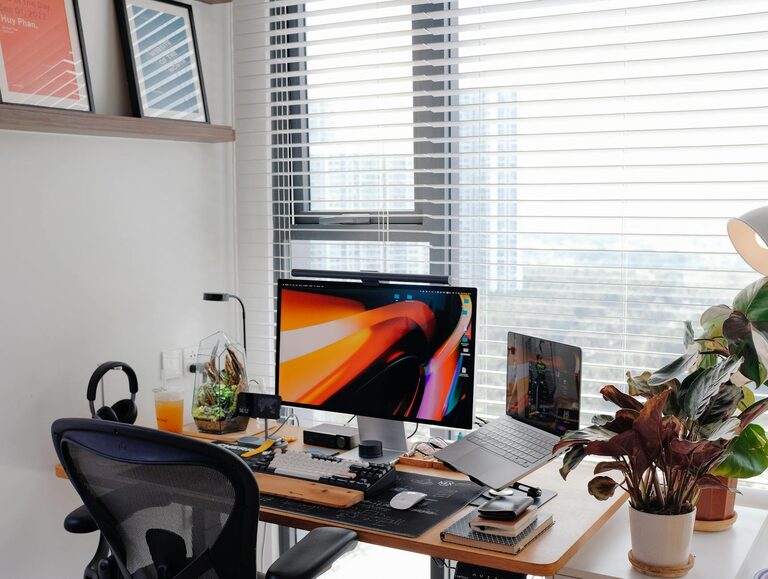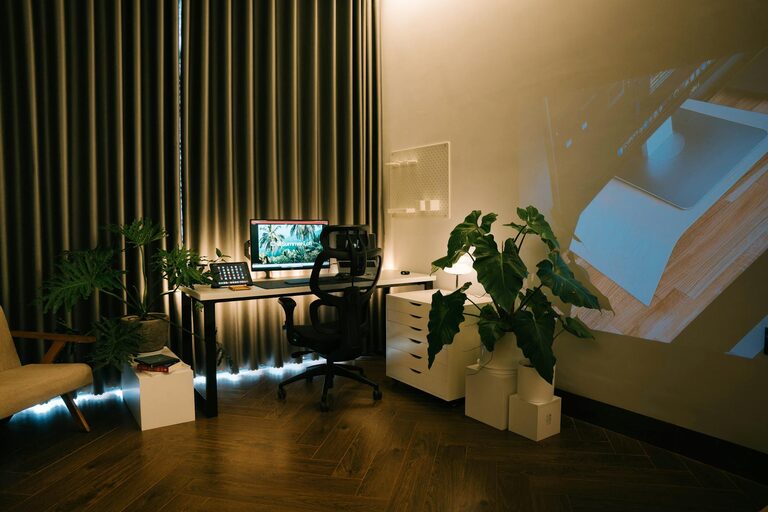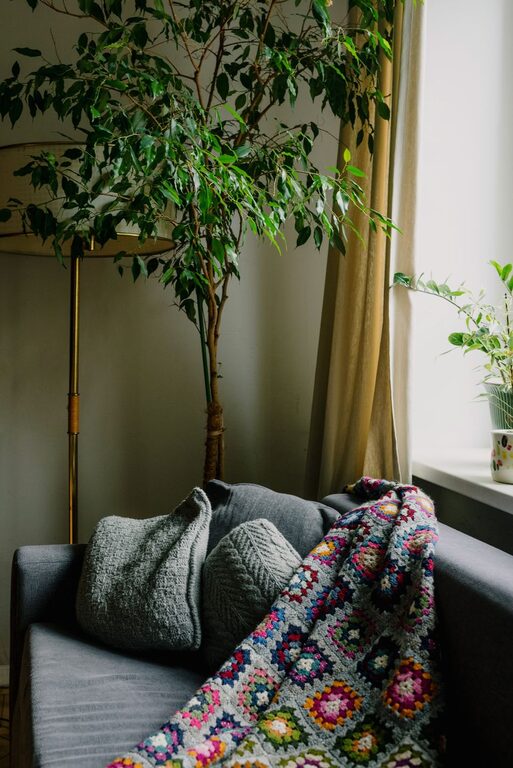

Creating a home office that is both cozy and productive can make a significant difference in your work routine. Whether you’re a remote worker, freelancer, or someone who occasionally brings work home, having a dedicated space that inspires focus while keeping you comfortable is key. In this post, we’ll explore practical tips for designing a home office that feels inviting and helps you stay on task.
Why a Cozy Home Office Matters
Working from home can blur the boundaries between personal and professional life. A thoughtfully arranged workspace helps you mentally separate work hours from leisure time. Comfort reduces physical strain and distractions, while an organized environment supports focus and efficiency.
—
Choosing the Right Location
Find a Quiet Spot
Select a part of your home that is relatively quiet and away from high-traffic areas. This will minimize interruptions during work hours.
Consider Natural Light
Natural light boosts mood and energy. Position your desk near a window if possible, but avoid glare on your computer screen by adjusting the angle or using blinds.
Space for Movement
Make sure the area has enough room to allow you to move freely. Cramped spaces may feel restrictive and uncomfortable over time.
—
Furniture Essentials
Invest in an Ergonomic Chair
Comfortable seating supports good posture and prevents back pain. An adjustable chair with lumbar support is a worthwhile investment.
Opt for a Functional Desk
Choose a desk that fits your space and enough surface area to hold your computer, notebooks, and any other essentials. Consider standing desks or adjustable desks if you prefer varied postures.
Storage Solutions
Clutter can be distracting. Use shelves, drawers, or filing cabinets to keep paperwork and office supplies tidy and accessible.
—
Lighting and Ambience
Layered Lighting
Incorporate different types of lighting: task lighting (desk lamps), ambient lighting (ceiling or wall fixtures), and natural daylight to avoid eye strain.
Personal Touches
Add elements like plants, artwork, or decorative items that inspire you without overwhelming the space. Greenery can improve air quality and create a calming atmosphere.
—
Technology and Connectivity
Reliable Internet
A strong and fast internet connection is crucial for smooth communication and work flow.
Cable Management
Keep wires organized using clips or cable covers to maintain a neat appearance and reduce hazards.
Essential Equipment
Make sure your computer, printer, and other devices are in good working order and set up conveniently.
—
Staying Organized and Motivated
Use Planners or Digital Tools
Track your tasks and deadlines using planners, calendars, or productivity apps to stay on top of your workload.
Set Boundaries
Define your working hours to create a routine. This helps balance work and relaxation.
Break Areas
If possible, include a small space with a comfortable chair for breaks, helping you recharge and preventing burnout.
—
Maintaining Comfort Throughout the Day
Temperature Control
Keep the room at a comfortable temperature. Portable fans or heaters can help if central heating or air conditioning isn’t adjustable.
Drink and Snack Station
Having a water bottle or healthy snacks nearby encourages hydration and energy without excessive trips to the kitchen.
Ergonomic Accessories
Consider footrests, keyboard trays, or wrist supports to enhance comfort during long working hours.
—
Final Thoughts
Designing a home office that combines coziness with productivity takes some planning, but it’s well worth the effort. By focusing on location, furniture, lighting, technology, and organization, you can craft a space that supports your best work and feels inviting. Remember, the goal is to create an environment that encourages focus while allowing you to feel relaxed and motivated.
Try implementing these tips gradually, adjusting your setup to what feels most comfortable and efficient for your needs. A thoughtfully designed home office can transform your workday and improve your overall well-being.